The Link Between Oral Health and Heart Disease
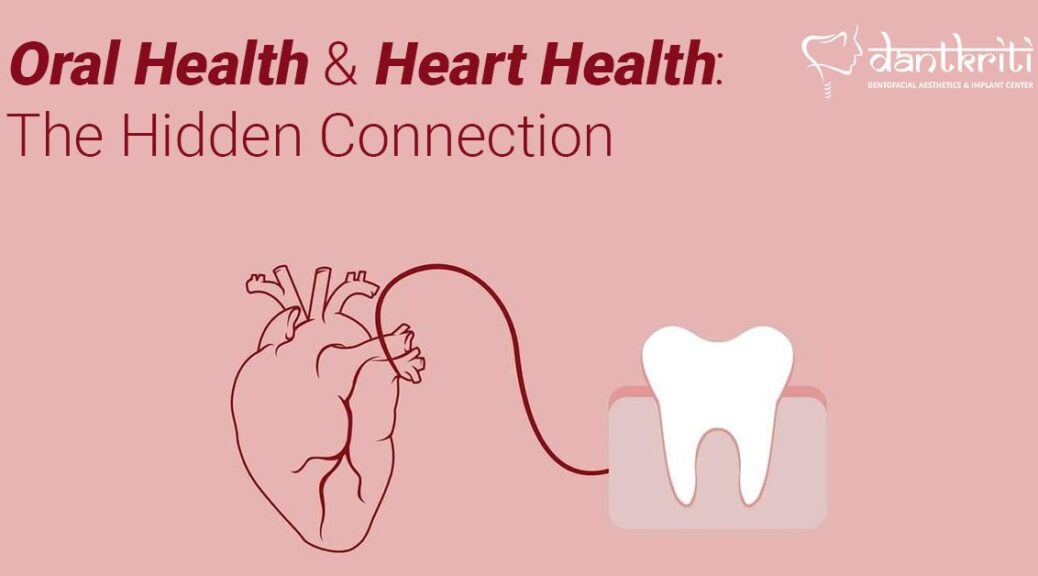
When you think about heart health, the first things that usually come to mind are diet, exercise, and blood pressure control. Brushing and flossing may not seem directly related, but growing scientific research shows that oral health and heart health are deeply connected.
Neglecting your oral hygiene doesn’t just result in cavities or gum disease—it can also increase your risk of cardiovascular conditions like heart attack and stroke. What’s happening inside your mouth could actually reflect what’s happening in your arteries.
Let’s explore how your mouth and heart are linked, and why taking care of your teeth can protect your overall well-being.
Why Oral Health Matters for Your Heart?
Your mouth is the gateway to your body. Every time you eat, drink, or breathe, millions of bacteria are present inside your mouth. While most of them are harmless, some can be harmful if they’re allowed to grow unchecked.
When oral hygiene is poor, plaque builds up on your teeth and gums. Over time, this leads to gum inflammation and infection. The gums start bleeding easily, a condition called gingivitis. If ignored, gingivitis can progress to periodontitis, a more severe and chronic gum infection.
This inflammation doesn’t stay confined to your mouth. The bacteria and toxins from infected gums can enter your bloodstream, triggering inflammation in your blood vessels and potentially contributing to the buildup of fatty deposits in your arteries, a process called atherosclerosis.
Atherosclerosis narrows and stiffens the arteries, making it harder for blood to flow. This increases the risk of high blood pressure, heart attack, and stroke.
People who maintain good oral hygiene—brushing, flossing, and visiting their dentist regularly—have been found to have significantly lower risks of developing cardiovascular issues. It’s not just about protecting your smile; it’s about protecting your heart, too.
Oral Health and Emergency Dental Care: More Than Just Pain Relief
Many people wait until they’re in pain to visit the dentist, but that pain can be a warning sign of a bigger problem. Dental emergencies such as abscesses, swelling, or severe tooth pain are not just local issues. These infections can spread quickly through your bloodstream and affect other organs, including the heart.
For example, a dental abscess—a pocket of pus caused by bacterial infection—can release harmful bacteria into the bloodstream. The body’s immune response to such infections increases inflammation and puts additional stress on your cardiovascular system.
In patients with pre-existing heart conditions, such as rheumatic heart disease or prosthetic heart valves, untreated dental infections can lead to serious complications like infective endocarditis, an infection of the inner lining of the heart.
Emergency dental care is therefore not just about relieving discomfort; it’s about preventing the spread of infection. Prompt treatment—whether through drainage, antibiotics, or extractions—can prevent bacteria from entering your bloodstream and protect your heart health.
Regular dental checkups, preventive cleanings, and addressing dental issues early on can save you from these emergencies altogether.
How Gum Disease Affects the Heart?
Among all oral diseases, periodontitis (gum disease) has the strongest link to cardiovascular conditions. It’s a chronic infection that damages the soft tissue and bone supporting your teeth.
Here’s how it affects your heart:
-
Bacteria in infected gums can enter the bloodstream through small openings in inflamed gum tissue. Once in circulation, these bacteria can attach to blood vessel walls or fatty deposits, contributing to the formation of arterial plaque.
-
Your immune system reacts to these bacteria by producing inflammatory substances. This persistent inflammation damages blood vessels and accelerates the hardening of arteries, known as atherosclerosis.
-
Certain types of oral bacteria can promote blood clot formation. These clots can block blood flow, increasing the risk of heart attacks or strokes.
Studies have shown that people with gum disease are two to three times more likely to experience a cardiovascular event compared to those with healthy gums. Clearly, maintaining gum health is not just a dental concern—it’s a life-saving habit.
Signs You Shouldn’t Ignore
Your mouth often sends early warning signs that something is wrong. Recognizing and addressing these signs early can protect both your oral and heart health.
Here are some symptoms you should never ignore:
-
Persistent bleeding gums when brushing or flossing
-
Swollen, tender, or receding gums
-
Chronic bad breath even after brushing
-
Loose teeth or changes in how your teeth fit together
-
Severe tooth pain or swelling in the jaw
-
Pus or abscess around the gums or teeth
These symptoms indicate infection or gum disease, which can allow harmful bacteria to enter your bloodstream. Ignoring them not only risks tooth loss but also increases your chances of developing cardiovascular problems in the future.
If you experience any of these warning signs, make an appointment with your dentist as soon as possible. Early treatment can prevent further complications and safeguard your heart.
Preventing Complications with Proper Care
The good news is that both gum disease and heart disease are largely preventable with consistent care and healthy habits. Here’s how to keep your mouth and heart in top shape:
-
Brush your teeth twice daily. Use fluoride toothpaste and brush for at least two minutes, making sure to clean every surface of each tooth. An electric toothbrush can be more effective at removing plaque than a manual one.
-
Floss every day. Flossing removes plaque and food particles from between your teeth, where a toothbrush can’t reach. Regular flossing reduces gum inflammation and bacterial buildup.
-
Visit your dentist regularly. Schedule dental checkups and cleanings every six months, or more frequently if your dentist recommends it. Professional cleaning removes hardened plaque (tartar) that home brushing can’t handle.
-
Quit smoking. Smoking is a major risk factor for both gum disease and heart disease. It damages blood vessels, weakens your immune system, and reduces your body’s ability to heal.
-
Eat a balanced diet. A diet rich in fruits, vegetables, whole grains, lean proteins, and healthy fats supports both gum and heart health. Limit sugary foods and drinks, as sugar promotes bacterial growth and plaque formation.
-
Use antimicrobial mouthwash. Rinsing with a dentist-recommended mouthwash helps reduce bacteria and control inflammation in your mouth.
Even small daily changes—like switching to a soft-bristled toothbrush or replacing it every three months—can make a big difference in protecting your oral and heart health.
Regular Dental Visits: A Key to Heart Health
Routine dental visits aren’t just about maintaining a bright smile—they’re essential for overall health.
Your dentist can detect signs of gum disease, infections, or inflammation that may indicate broader health issues. Regular professional cleanings remove tartar and bacteria that daily brushing and flossing might miss.
Research has found that people who visit their dentist regularly have a lower risk of heart disease than those who don’t. This is likely because professional dental care reduces bacterial load and systemic inflammation.
If you have an existing heart condition, always inform your dentist before any procedure. Your dentist may take extra precautions, such as prescribing antibiotics, to prevent bacteria from entering your bloodstream during treatment.
Collaboration between your dentist and cardiologist ensures that both your oral and heart health are managed safely, especially if you have valve disease, have undergone heart surgery, or have a history of endocarditis.
Shared Risk Factors Between Oral and Heart Diseases
Many of the same habits and conditions that damage your teeth and gums also harm your heart. Smoking, for instance, reduces blood flow to the gums and damages the lining of blood vessels throughout the body.
A poor diet high in sugars and processed foods promotes tooth decay and also contributes to high cholesterol and obesity—both major heart risk factors.
Diabetes is another strong link between oral and heart disease. High blood sugar weakens the immune system, increases gum infection risk, and contributes to arterial damage.
Obesity and chronic stress also affect both systems. Excess weight can increase inflammation and worsen periodontal disease, while stress can lead to teeth grinding, poor oral habits, and elevated blood pressure.
Neglecting oral hygiene allows bacteria to thrive, leading to gum infections and systemic inflammation. By addressing these shared risk factors through better nutrition, regular exercise, stress management, and good oral hygiene, you’re improving both your dental and cardiovascular health simultaneously.
When to Seek Specialist Help?
Sometimes, despite good daily care, gum problems persist. If you’re dealing with recurring or severe gum disease, it may be time to consult an oral surgeon or periodontist, a dental specialist who focuses on gum health.
An oral surgeon or periodontist can perform advanced treatments like deep cleaning (scaling and root planing), laser therapy, or gum surgery to restore healthy tissue.
If you have a heart condition, it’s crucial to inform your dentist and periodontist before undergoing any dental procedure. This allows them to take extra precautions to minimize infection risk.
Patients with artificial heart valves, pacemakers, or a history of endocarditis may need antibiotic prophylaxis before certain invasive dental treatments. This step helps prevent bacteria from spreading to the heart and causing serious complications.
Coordinated care between your dentist and cardiologist ensures your treatment is safe, effective, and tailored to your medical needs.
The Connection Between Oral Bacteria and Inflammation
One of the most important mechanisms linking oral and heart health is inflammation. Chronic inflammation plays a central role in both gum disease and atherosclerosis.
The bacteria responsible for gum disease, such as Porphyromonas gingivalis and Aggregatibacter actinomycetemcomitans, trigger immune responses that produce inflammatory molecules. These substances circulate through your body and damage blood vessel walls.
This ongoing inflammation contributes to the buildup of fatty deposits in the arteries, narrowing them and reducing blood flow. Over time, this can lead to high blood pressure, chest pain, and even heart attack or stroke.
Essentially, when gum disease goes untreated, your body remains in a constant state of low-grade inflammation, which affects your heart, increasing strain and long-term risk.
By controlling gum disease, you reduce systemic inflammation, support healthy circulation, and protect your cardiovascular system.
Oral Health as a Window to Overall Health
Your mouth can reveal a lot about your overall health. Dentists are often the first to spot signs of systemic conditions such as diabetes, vitamin deficiencies, and even cardiovascular disease.
For instance, bleeding gums might suggest systemic inflammation or poor blood sugar control. A dry mouth could be related to medications for heart or blood pressure conditions. Gum recession or bone loss could indicate chronic stress or poor immunity.
Regular dental checkups are therefore not just about your teeth—they’re a vital part of preventive healthcare. Treating oral problems early often helps uncover and address wider health concerns before they become serious.
Holistic Habits for a Healthier Mouth and Heart
Maintaining oral and heart health isn’t about isolated routines—it’s about holistic wellness. Here are some additional lifestyle habits that can make a big difference:
-
Exercise regularly to improve circulation and lower inflammation.
-
Stay hydrated to promote saliva production, which helps neutralize acids and control bacteria.
-
Manage stress through yoga, meditation, or breathing exercises to reduce inflammation and teeth grinding.
-
Monitor your blood sugar levels, especially if you have diabetes.
-
Get adequate sleep, as poor rest contributes to stress, inflammation, and gum disease.
When these habits are combined with good oral hygiene, they create a strong foundation for lifelong health.
The Takeaway
Your mouth and heart are more connected than you might think. Gum disease doesn’t just threaten your smile—it can influence the health of your arteries and your heart.
Maintaining consistent oral hygiene, eating a balanced diet, quitting smoking, and visiting your dentist regularly are among the most effective ways to reduce both dental and cardiovascular risks.
Emergency dental care, when needed, can prevent infections from spreading beyond the mouth. Regular cleanings and checkups keep harmful bacteria under control and lower inflammation throughout your body.
Your dentist plays a vital role in your overall health—not just your teeth. By caring for your oral hygiene, you’re taking an important step toward a healthier heart and a longer, happier life.